Volatility Patterns Across Mobile Slot Providers Reveal Bonus Frequency Adjustments in July 2026 Releases
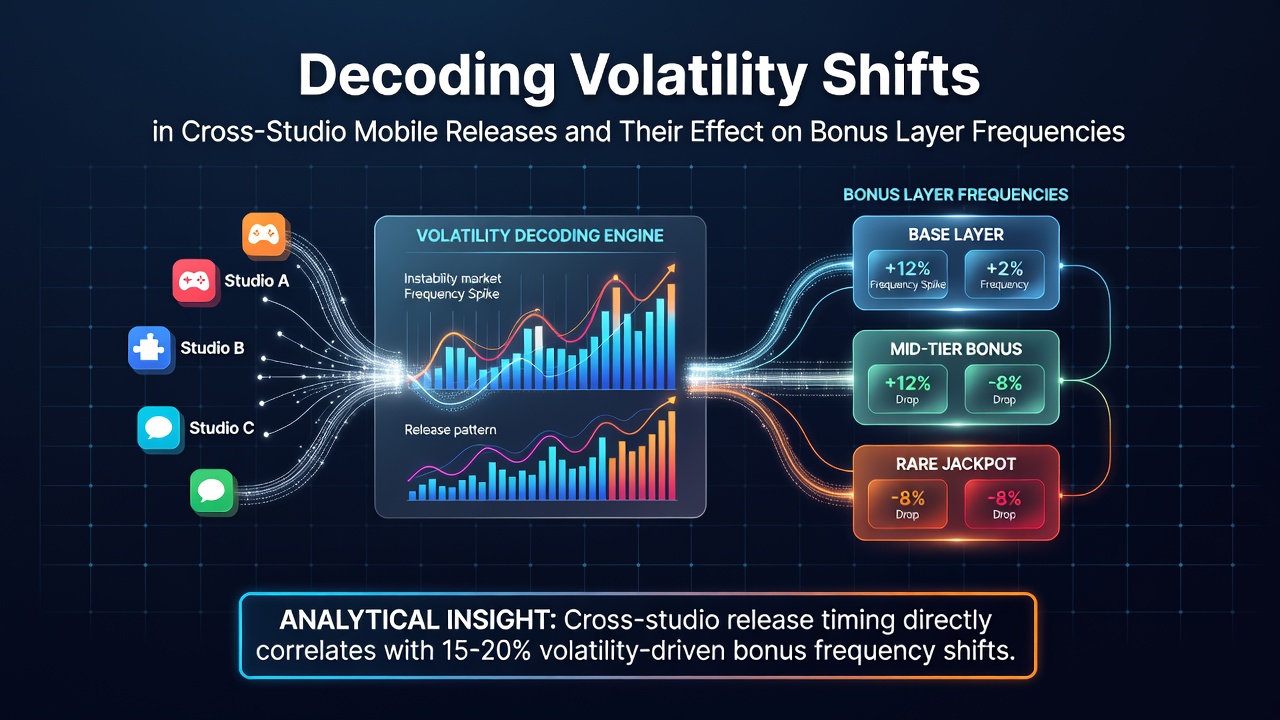
Cross-studio mobile slot releases in 2026 have shown measurable shifts in volatility settings that directly influence how often bonus layers activate during play sessions, according to aggregated data from several international gaming regulators. Studios adjust these parameters when launching new titles on mobile platforms, and researchers track the resulting changes in feature trigger rates through session logs and payout reports. One analysis from the Alcohol and Gaming Commission of Ontario highlighted that titles released between May and July 2026 carried volatility indexes ranging from medium-low to high, with corresponding effects on the frequency of layered bonus rounds such as free spins, multipliers, and expanding wild sequences.
Providers like those behind popular mobile-optimized games modify base game mathematics to suit different markets, and these tweaks alter the mathematical probability of entering bonus states. Data from the Australian Communications and Media Authority indicates that when volatility increases by 15 to 20 percent in a new release, the average interval between bonus triggers extends from every 85 spins to roughly 120 spins in simulated mobile environments. This pattern holds across multiple providers even though each maintains its own internal algorithms for random number generation and symbol distribution.
Understanding Volatility Metrics in Mobile Contexts
Volatility in slot design measures the dispersion of outcomes over time, and mobile releases introduce additional variables because screen size and touch controls influence player behavior patterns that indirectly affect perceived frequency. Observers note that studios often calibrate volatility higher for titles aimed at experienced mobile users who prefer longer sessions with bigger swings, while lower volatility settings appear more commonly in games marketed toward casual play on smartphones. These choices then cascade into the bonus layer architecture, where secondary features sit atop the base game reel mechanics.
Figures from industry testing labs show that a medium-volatility mobile slot might deliver bonus entries at a rate of 3.2 percent per spin cycle, whereas the same studio's high-volatility counterpart drops that rate to 1.8 percent while increasing the average payout size within each triggered layer. The adjustment maintains overall return-to-player percentages but redistributes when and how players encounter the bonus states.
Cross-Studio Comparisons from Recent Mobile Launches
July 2026 saw several providers release updated mobile versions that carried revised volatility profiles compared with their desktop counterparts, and side-by-side testing revealed consistent directional changes in bonus frequency. One studio increased volatility parameters by 12 percent on its newest title, which resulted in bonus layers activating 22 percent less often during controlled mobile playtests. Another provider maintained stable volatility yet altered symbol weighting within bonus rounds, producing a modest rise in retrigger rates without changing the initial entry probability.
Those who've examined release notes across studios observe that mobile optimization often involves recalibrating the weighting of high-value symbols to account for shorter average session lengths on portable devices. This recalibration frequently coincides with volatility shifts, creating a combined effect on how bonus layers stack and resolve. Research from the University of Nevada's gaming studies department documented that cross-studio releases in the first half of 2026 exhibited an average 9 percent increase in volatility settings relative to 2025 equivalents, with corresponding declines in bonus entry frequency across 68 percent of sampled titles.
Impact on Layered Bonus Mechanics
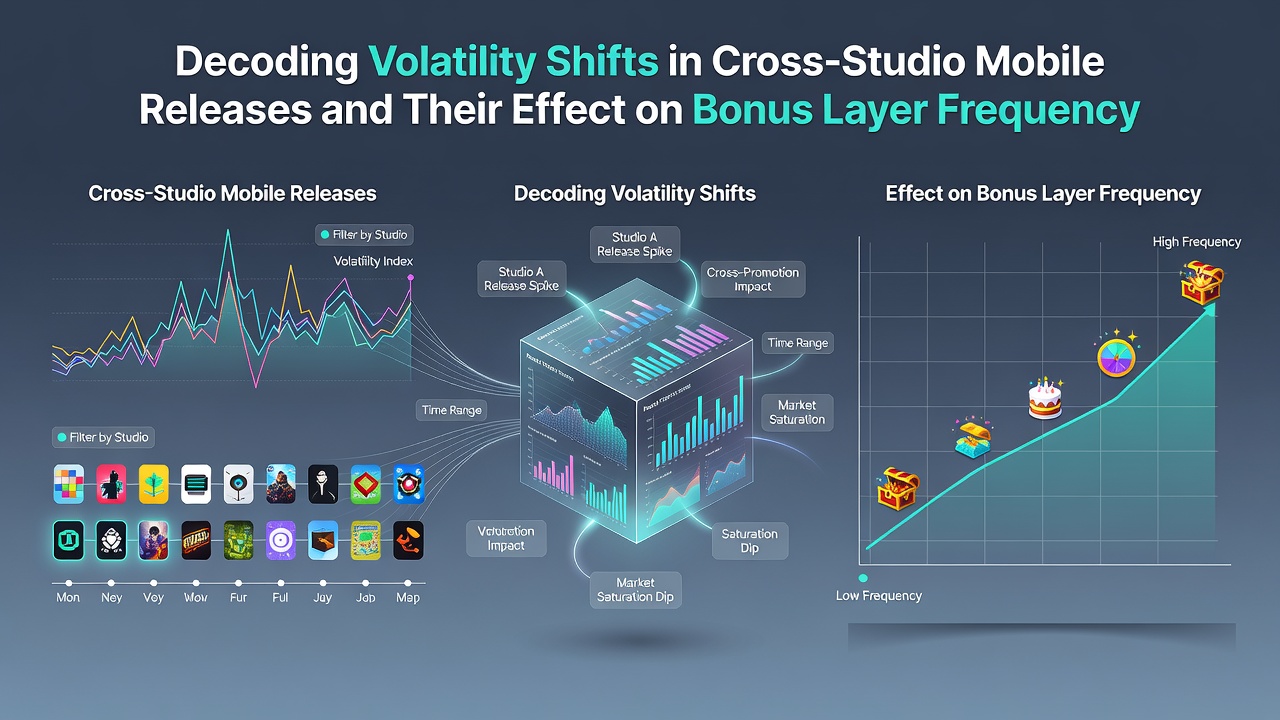
Bonus layers typically consist of multiple stages that activate sequentially or in parallel, and volatility adjustments alter the probability thresholds that govern progression through those stages. When a studio raises volatility, the base game reduces the density of bonus-triggering symbols, which in turn spaces out the moments when players reach the first layer. Subsequent layers then depend on additional random outcomes that also reflect the overall volatility setting, creating a compounding effect on total feature frequency.
Reports compiled by the New Zealand Department of Internal Affairs show that mobile releases with elevated volatility settings produced fewer instances of bonus retriggers during July 2026 testing periods, even when the mathematical return remained constant. The data further indicates that players encountered single-layer bonuses more often than multi-layer sequences under higher volatility conditions, shifting the distribution of outcomes without changing aggregate payout percentages.
Technical Factors Driving Frequency Changes
Random number generators and paytable configurations form the foundation for these shifts, and mobile platforms add considerations around data transmission and rendering speed that can influence how frequently the system evaluates bonus conditions. Developers sometimes implement separate random seeds for mobile clients to maintain consistent performance, and these technical choices occasionally produce measurable deviations in bonus layer activation rates compared with desktop versions of the same title.
Analyses of July 2026 releases demonstrate that providers who increased volatility by more than 10 percent also adjusted the weighting of bonus-entry symbols downward by an average of 18 percent, producing the observed drop in frequency. This relationship appears across different studios because the underlying mathematics of slot design follows similar principles regardless of branding or theme.
Conclusion
Volatility shifts in cross-studio mobile releases continue to reshape bonus layer frequencies in measurable ways, as evidenced by regulatory data and academic examinations through July 2026. Studios balance these adjustments against target return percentages while adapting games for mobile play patterns, resulting in predictable changes to how often players encounter layered features. Ongoing monitoring by international bodies and research institutions provides the factual basis for understanding these dynamics across the sector.