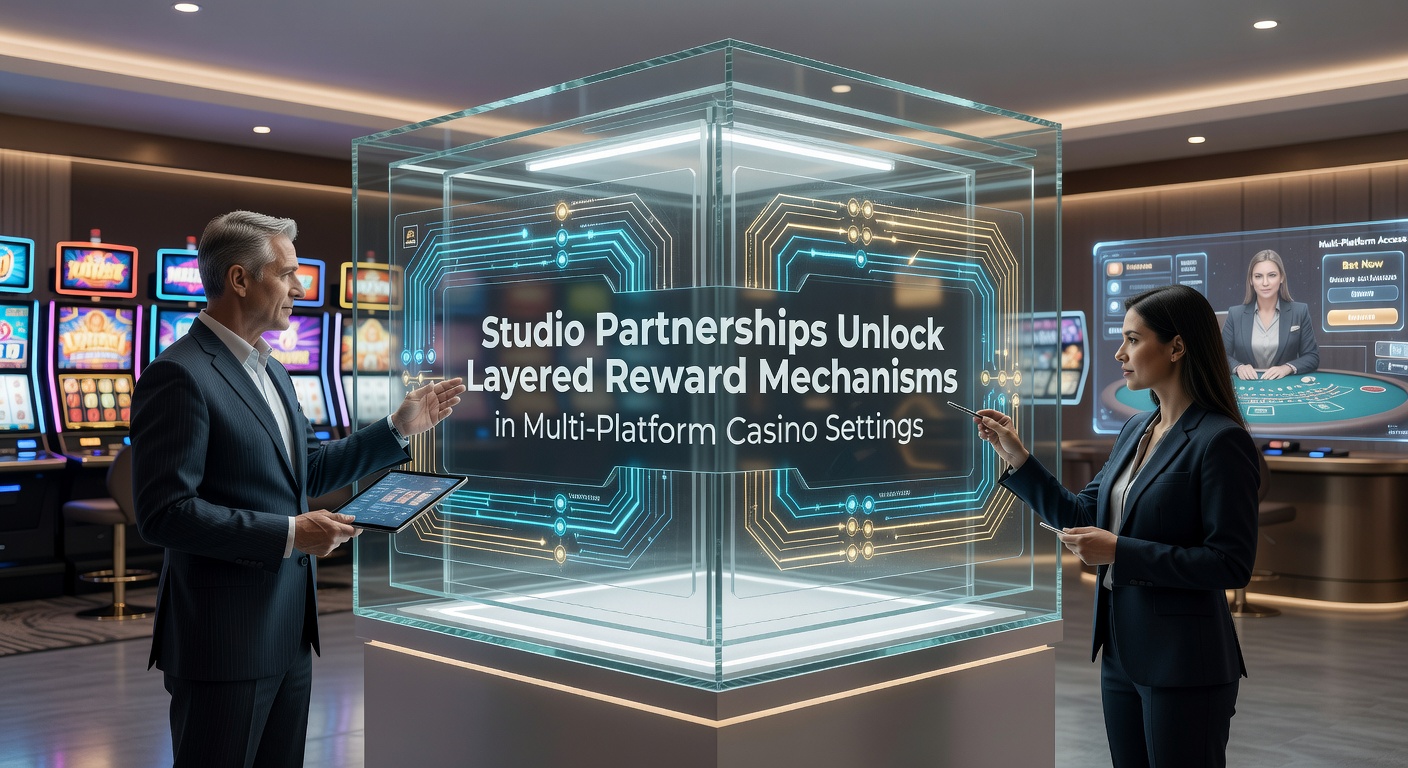
Studio Partnerships Unlock Layered Reward Mechanisms in Multi-Platform Casino Settings
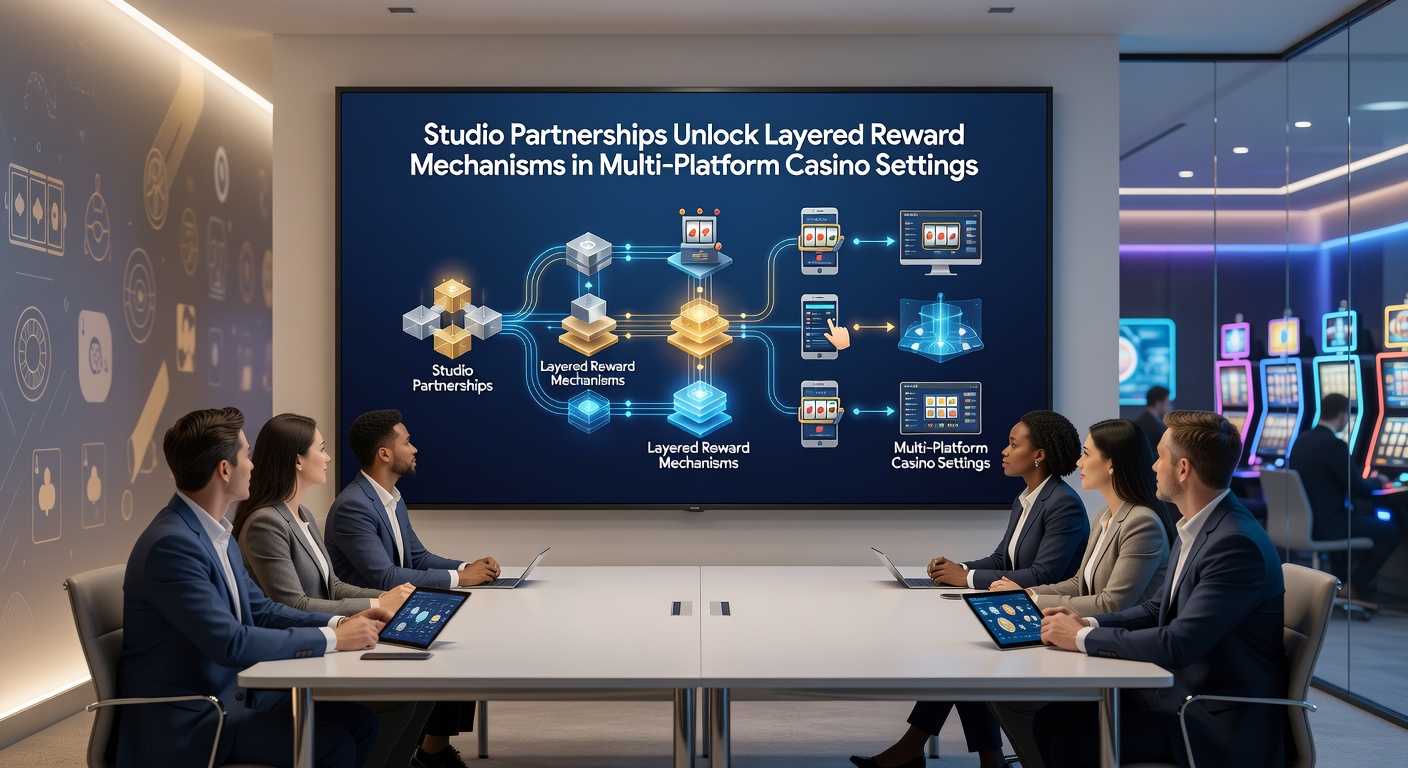
Studio partnerships have reshaped how reward structures operate across casino environments that span multiple platforms, and these collaborations create systems where players access progressive benefits that stack through shared data and integrated mechanics. Operators work with game developers to combine loyalty programs, bonus tiers, and cross-game progressions so that activity on one platform feeds into rewards available on others. This approach relies on synchronized backend systems that track player behavior in real time while maintaining compliance with varying regional rules.
Building Connected Reward Layers Through Studio Alliances
Developers form alliances that allow reward mechanisms to layer in ways single-studio offerings rarely achieve, and these layers often include deposit matches that convert into platform-wide credits, achievement badges that unlock higher-value free play across titles, and referral bonuses that accumulate based on network participation. Data from industry analyses shows that such integrations increase retention metrics because players encounter consistent progression regardless of whether they switch between desktop clients, mobile apps, or venue-based terminals. Partnerships also enable shared progressive pools where contributions from multiple game libraries feed into jackpots accessible through any participating platform.
Observers note that technical standards for these connections have tightened since 2024, when several major studios adopted unified APIs that reduce latency during reward redemptions. The result is smoother transitions when a player earns a bonus on a mobile slot and then redeems it on a live dealer table hosted through a partnered operator. Regulatory frameworks in regions such as Nevada and Malta require clear separation of player funds even as rewards merge, which has pushed studios to implement audited ledgers that satisfy multiple oversight bodies simultaneously.
Technical Foundations Supporting Multi-Platform Integration
Backend synchronization forms the core requirement for layered rewards, and studios achieve this through secure data-sharing protocols that preserve player anonymity while allowing aggregated behavior patterns to trigger tier upgrades. Cloud-based player management systems now handle millions of daily transactions across platforms without service interruption, and these systems flag eligible rewards instantly so users see updated balances within seconds. Research conducted by academic groups at institutions studying digital entertainment economics indicates that latency below 200 milliseconds correlates with higher engagement rates in multi-platform environments.
Security protocols include end-to-end encryption for all reward-related data transfers, while regular third-party audits verify that bonus calculations remain fair across every connected platform. Operators report that these measures reduce disputes because players receive transparent logs detailing exactly how each layer of a reward accumulated. In June 2026 several alliances plan to introduce blockchain-verified reward ledgers that further strengthen audit trails without increasing transaction times.
Regional Regulatory Influences on Partnership Models
Different jurisdictions shape how studios structure their collaborations, and European regulators emphasize consumer protection clauses that require clear disclosure of reward expiration dates and wagering requirements. North American frameworks, such as those administered by the Nevada Gaming Control Board, focus on responsible gaming tools that integrate directly into layered systems so players can set limits that apply across every platform they use. Australian authorities have introduced similar cross-platform spending caps that partnerships must accommodate through centralized account controls.
These regulatory differences encourage studios to design modular reward engines that adapt to local rules without rebuilding entire systems. Partnerships therefore maintain separate rule sets for each market while preserving a unified player experience. Trade associations like the European Gaming and Betting Association publish guidelines that help members navigate these variations, and member studios frequently reference those documents when updating their layered mechanisms.
Examples of Layered Rewards in Operation
One established model combines daily login streaks earned on mobile slots with table-game cashback that becomes available on desktop versions, and another links tournament entries across multiple studios so that points from one provider convert into entries for events hosted by partners. Players who reach higher loyalty tiers gain access to exclusive game previews and accelerated withdrawal processing that applies uniformly. Reports compiled by research firms tracking the sector show measurable increases in average session length when these layered options appear, because participants pursue cumulative goals rather than isolated bonuses.
Case studies compiled by independent analysts describe instances where a single partnership introduced a shared VIP club that pooled contributions from five different game studios, resulting in faster tier advancement for frequent users. The structure also includes milestone rewards that unlock physical merchandise or event tickets when digital activity thresholds are met across platforms. Such examples illustrate how alliances translate individual game performance into broader ecosystem benefits.
Conclusion
Studio partnerships continue to expand the scope of layered reward mechanisms available in multi-platform casino settings, and the technical and regulatory groundwork established through these collaborations supports consistent player progression regardless of access method. Continued development of shared standards and adaptive compliance tools suggests further refinements will appear as new alliances form, particularly around the June 2026 timeframe when several announced integrations are scheduled to activate. The overall architecture demonstrates how coordinated development between studios and operators produces reward systems that operate reliably across diverse environments while satisfying oversight requirements in multiple regions.