Mechanics Behind Progressive Accumulation Systems in Cross-Platform Entertainment Titles
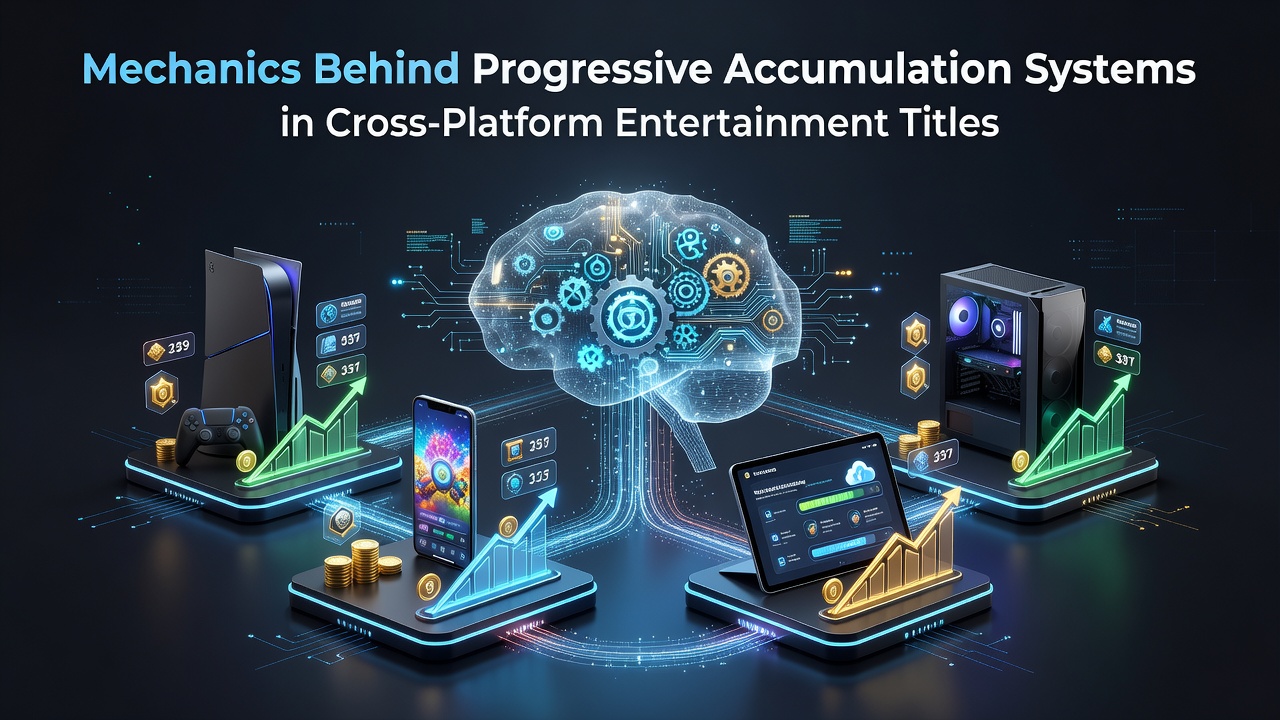
Progressive accumulation systems form the backbone of many shared reward structures in entertainment software that operates simultaneously on mobile devices, consoles, and personal computers; these mechanisms gather contributions from player activity then redistribute value through escalating prize pools or resource tiers that persist across sessions and hardware boundaries.
Core Technical Framework
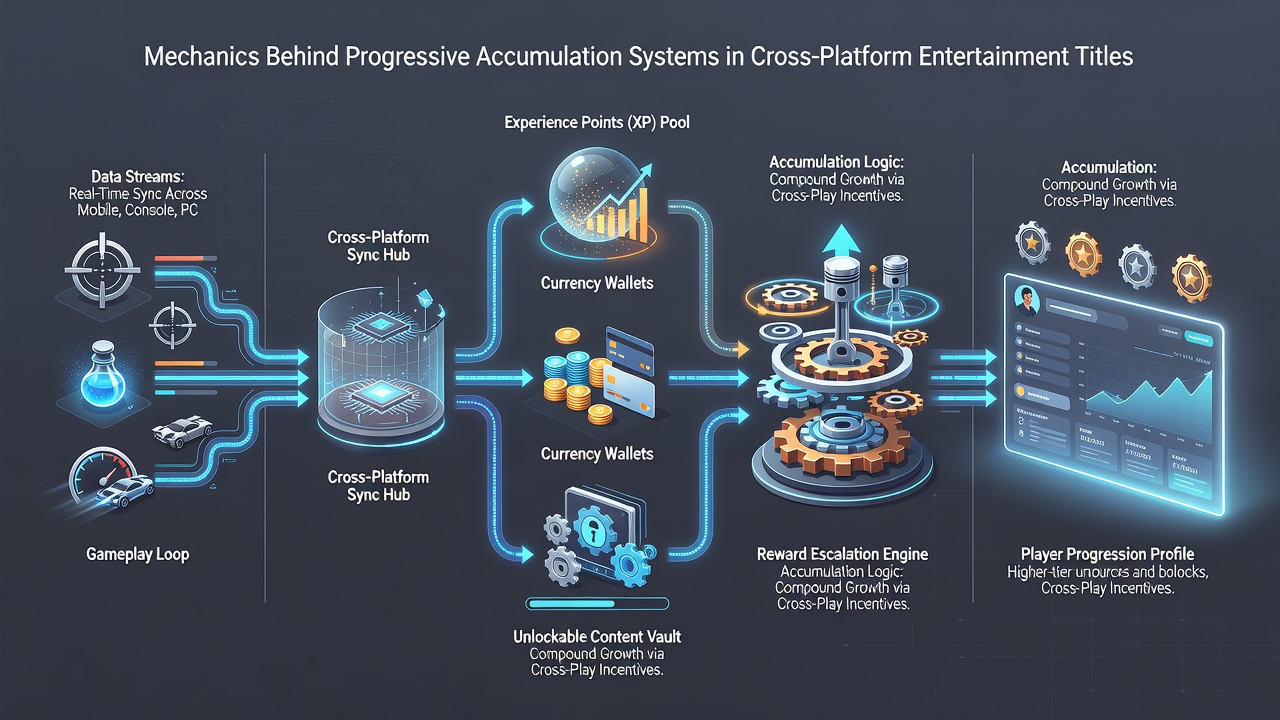
Developers establish a central accumulation pool that receives a fixed percentage of in-game transactions or participation metrics, and the pool value increases incrementally until a qualifying trigger event distributes portions back to participants while resetting or carrying forward residual amounts depending on the title's design parameters. Synchronization protocols ensure that pool states remain consistent when players switch between devices, which requires low-latency data replication across distributed servers managed by the publisher or third-party cloud providers.
Each contribution passes through validation layers that check transaction integrity before addition occurs, and these checks prevent duplicate entries when the same account interacts with multiple platform clients at once. Observers note that latency compensation techniques become essential because mobile networks often introduce variable delays compared with wired console connections, yet the system must still present a unified pool balance to every user.
Cross-Platform Data Handling
Account authentication services link progress across ecosystems by mapping user identities to a single persistent profile stored in backend databases, allowing accumulation to continue uninterrupted when a player moves from a handheld device to a living-room console. Data packets carrying pool updates travel through encrypted channels that comply with regional privacy regulations, and developers frequently implement regional sharding so that accumulation occurs within geographic clusters before global aggregation merges the figures for larger events.
Studies from academic institutions have examined how these sharding approaches affect fairness when population densities differ between regions, and findings indicate that balanced contribution rates help maintain comparable growth speeds regardless of where most activity originates. When a major title launches a cross-platform event in July 2026, engineers typically monitor real-time telemetry to adjust contribution percentages if one platform begins to dominate pool growth.
Trigger and Distribution Logic
Trigger conditions range from random number generators that select winners after a minimum pool threshold to deterministic milestones such as reaching a predetermined total contribution count, and each method influences how frequently payouts occur along with the average size of distributed rewards. Once triggered, the system allocates percentages to the winning account, to secondary participants, and sometimes to a reserve fund that seeds the next cycle, all while logging every transaction for audit purposes.
Engineers calibrate these percentages during initial deployment and refine them through post-launch patches when aggregate data reveals imbalances, for instance when one platform's user base contributes disproportionately yet receives fewer triggers. Those who have studied large-scale deployments report that transparent communication of distribution rules increases long-term engagement because participants understand the mathematical relationship between their activity and potential outcomes.
Security and Compliance Considerations
Security teams deploy fraud detection algorithms that flag unusual contribution patterns or rapid account switching between platforms, which helps protect pool integrity against coordinated manipulation attempts. Regulatory frameworks in multiple jurisdictions require independent testing of random elements and accumulation algorithms before public release, and certification bodies review source code along with live operational logs to confirm compliance.
Industry organizations such as the Entertainment Software Association publish periodic overviews of technical standards that many studios adopt voluntarily, while research papers from European universities have explored how accumulation mechanics interact with player psychology across different cultural markets. Data from Canadian regulatory reviews shows that titles using unified cross-platform pools experience fewer disputes over balance visibility compared with region-locked systems.
Future Developments
Emerging implementations explore blockchain-based ledgers for recording contributions in a decentralized manner, which could reduce reliance on single-vendor server infrastructure while still allowing seamless device transitions. Machine-learning models now assist in predicting pool growth trajectories based on historical participation rates, enabling proactive adjustments before any single platform skews the overall balance.
Engineers continue to refine reconciliation processes that resolve discrepancies when network partitions occur, and these improvements directly affect how quickly a player sees updated balances after switching from mobile data to a home console connection. The result is a more resilient system that maintains accumulation continuity even during temporary service interruptions.
Conclusion
Progressive accumulation systems in cross-platform entertainment titles rely on tightly integrated technical layers that handle contributions, synchronization, triggering, and distribution while respecting regional regulations and hardware differences. As more titles adopt unified profiles and real-time data exchange, the underlying mechanics continue to evolve through iterative testing and cross-industry collaboration, ensuring that shared reward structures remain functional and consistent regardless of the device a participant chooses at any given moment.