
Global Digital Gaming Markets Respond to Seasonal Cycles with Targeted Content Releases and Incentive Structures
Digital gaming platforms worldwide adjust their release schedules and reward programs according to recurring annual patterns, and data from multiple industry trackers confirms these adjustments produce measurable shifts in player engagement across regions. Market analysts track how spring transitions into summer often coincide with increased mobile content launches, while holiday periods drive structured incentive campaigns that operators deploy to maintain retention rates. According to figures compiled by the American Gaming Association, seasonal content strategies accounted for approximately 28 percent of new game introductions in tracked North American markets during recent cycles.
Patterns Emerging in Spring and Early Summer Releases
Content developers time many new titles for launch windows that align with regional events and weather changes, and May 2026 stands out as a period when several studios scheduled mobile-focused drops alongside refreshed incentive tiers. Observers note that platforms in Europe and Asia Pacific regions frequently introduce progressive jackpot features during these months because data indicates higher session lengths when outdoor activities compete for attention. Research from the International Game Developers Association highlights how developers incorporate lightweight mechanics suited for shorter play sessions typical of warmer weather months.
Operators respond by pairing these releases with tiered reward systems that scale based on cumulative playtime, and such structures appear more frequently in markets where regulatory frameworks permit flexible bonus mechanics. One study tracking player behavior across multiple jurisdictions found that incentive uptake rises by measurable margins when new content arrives bundled with time-limited multipliers.
Incentive Models Adapting to Regional Calendar Events
Global operators refine their player rewards to reflect local holidays and sporting calendars, creating layered programs that combine free spin allocations with deposit matches during peak periods. In markets monitored by the Australian Communications and Media Authority, summer incentive campaigns have shown consistent patterns of increased daily active users when tied to major events like music festivals or school breaks. These programs often feature progressive reward ladders where milestones unlock additional content access rather than direct cash equivalents.
Platforms in Latin American territories similarly adjust structures around cultural observances, and analysts report that these localized tweaks correlate with sustained revenue streams across quarterly reporting periods. Data indicates that cross-promotional partnerships with entertainment brands intensify during these windows, allowing operators to deliver themed incentives without altering core game mathematics.
Regional Variations in Content Timing and Reward Delivery
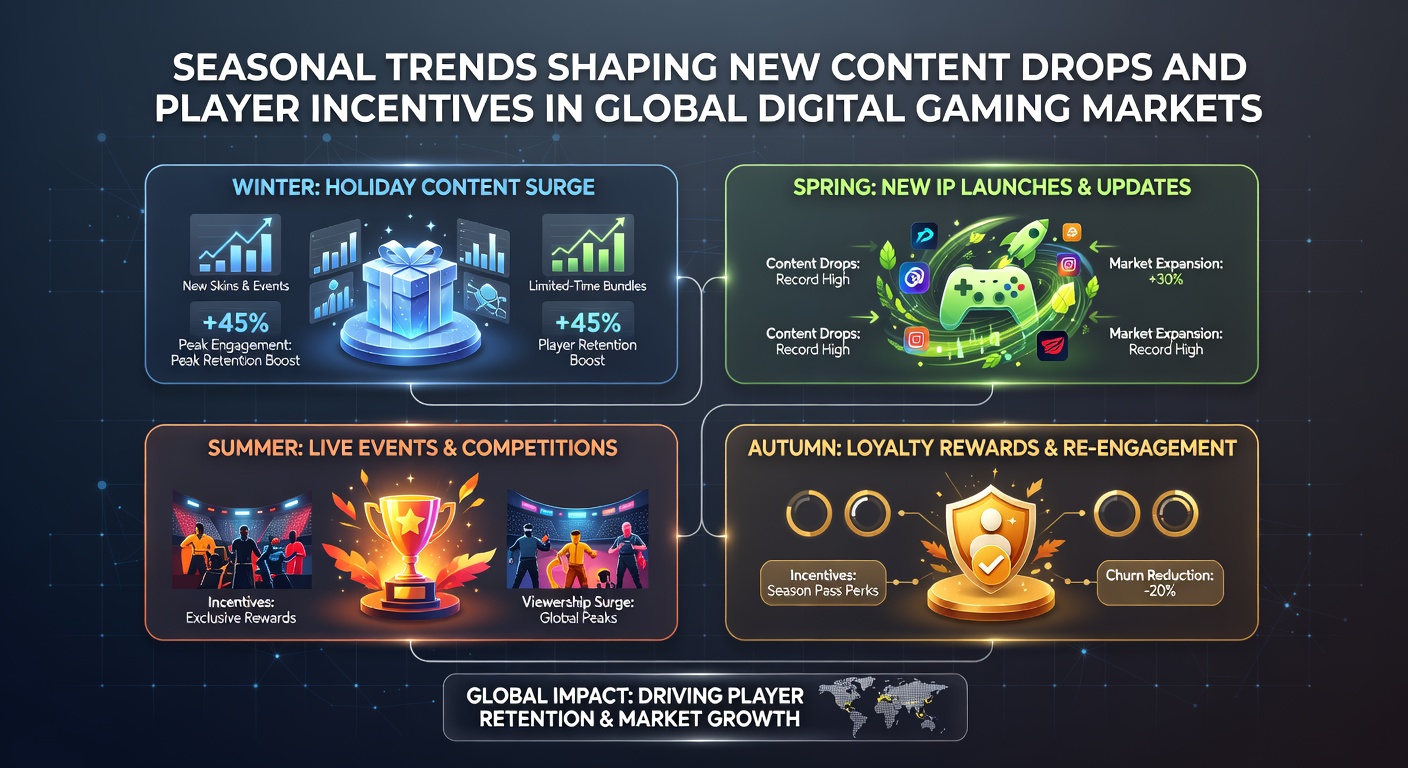
North American platforms tend to front-load major slot and table game updates ahead of summer travel seasons, while Asian markets often synchronize releases with regional gaming expos and digital festivals. European operators, operating under frameworks established by bodies such as the Malta Gaming Authority, emphasize compliance-aligned incentive structures that rotate themes seasonally. Reports from the European Gaming and Betting Association document how these rotations maintain player interest without requiring constant new intellectual property development.
Observers tracking mobile-specific trends note that shorter download sizes and offline-capable modes appear more frequently in content drops timed for holiday travel periods. These technical adjustments complement incentive layers that reward consistent logins across different time zones, and aggregated data shows improved retention metrics when such features coincide with seasonal campaigns.
Technology and Data Analytics Driving Seasonal Adjustments
Advanced analytics platforms enable operators to forecast engagement peaks and troughs with increasing precision, allowing preemptive content scheduling and incentive calibration. Machine learning models process historical play data alongside external factors such as weather patterns and public events to recommend optimal release dates. Industry reports indicate that studios utilizing these tools achieve higher conversion rates from demo versions to real-money play during targeted seasonal windows.
Real-time adjustment capabilities also let platforms modify reward parameters mid-campaign based on live performance indicators, and this flexibility proves especially useful in competitive markets where player choice expands rapidly. Those monitoring global trends report that such data-informed approaches reduce reliance on uniform global strategies in favor of regionally nuanced executions.
Conclusion
Seasonal influences continue shaping how digital gaming markets structure both content pipelines and player reward mechanisms, with evidence from multiple regulatory and industry sources confirming measurable impacts on engagement and revenue distribution. As May 2026 approaches, platforms prepare additional releases calibrated to observed patterns in player behavior across diverse geographic territories. These ongoing adaptations reflect broader industry reliance on calendar-driven strategies rather than static annual plans.