
Echoes in the Reels: How Bonus Layers and Mobile Mechanics Shape Retention Across Provider Lineups
Slot providers have refined bonus structures over recent years by stacking multiple feature layers that trigger sequentially during play sessions, and these additions pair with mobile-specific optimizations to influence how long players remain engaged with a title. Data from industry reports indicate that games incorporating progressive bonus stages often see extended session times compared to simpler single-feature designs, while touch-responsive interfaces further support continued interaction across different device types.
Layered Bonus Systems and Their Role in Extended Play
Modern slot releases frequently build bonus rounds that progress through several stages, each unlocking new modifiers or multipliers as players advance. Providers such as Play'n GO and NetEnt have incorporated systems where an initial free-spin round can evolve into a secondary challenge round when specific symbol combinations appear, creating additional decision points within the same session. Observers note that these layered mechanics encourage players to continue spinning in pursuit of the next threshold rather than exiting after a single feature completes.
Research from the University of Nevada's gaming studies program shows that titles with multi-stage bonuses maintain higher average play durations across tested cohorts, particularly when the progression ties directly to reel outcomes rather than separate purchase options. In July 2026 several studios released updates that refined these progressions by adding visual indicators for remaining stages, allowing clearer tracking without disrupting the flow of spins.
Mobile Interface Adjustments That Support Continuous Engagement
Mobile mechanics extend beyond basic screen scaling to include gesture-based controls, auto-adjusting reel speeds, and persistent session states that resume across app launches. Developers integrate haptic feedback during bonus triggers and swipe gestures for feature activation, elements that reduce friction when players shift between portrait and landscape modes. These adjustments appear across lineups from studios including Microgaming and Yggdrasil, where data logs reveal that optimized mobile versions record lower drop-off rates after the first bonus cycle completes.
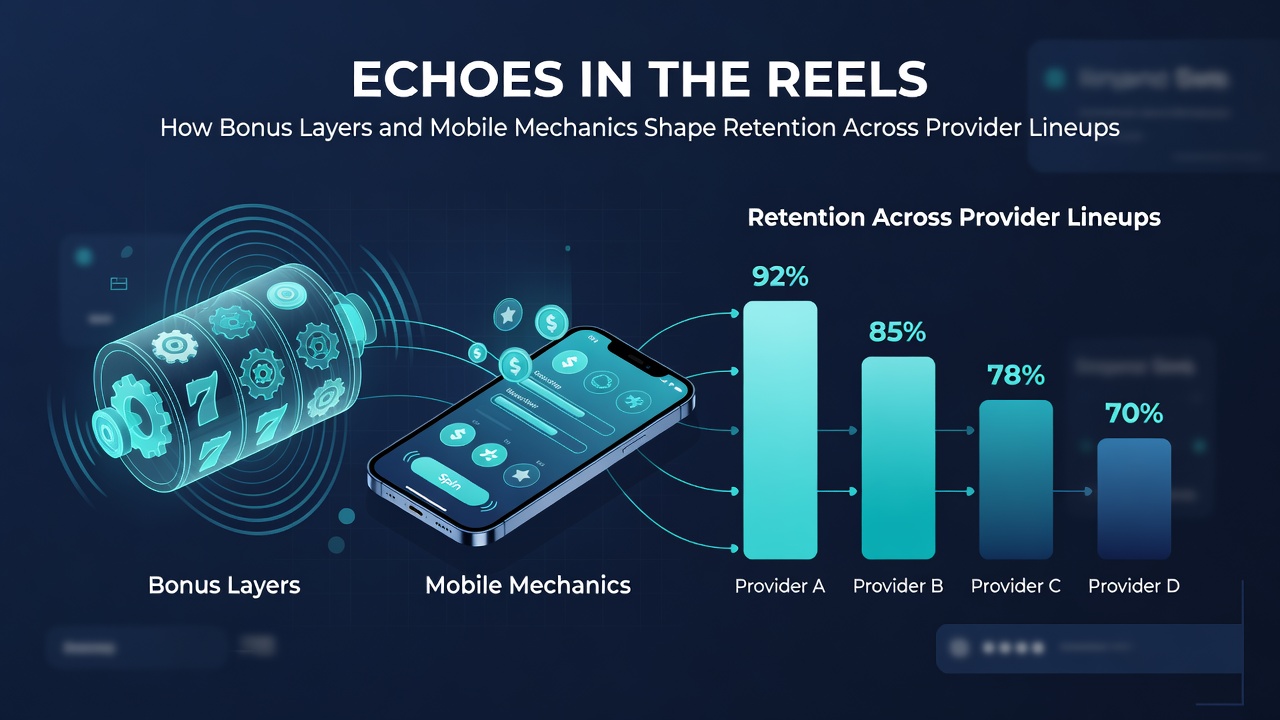
According to findings published by the American Gaming Association, mobile-optimized slots with layered bonuses demonstrate improved retention metrics in regulated markets when compared to desktop-only counterparts. The study tracked session lengths across thousands of accounts and found that seamless transitions between bonus layers on smaller screens correlated with repeat logins within 24 hours.
Provider Variations in Combining Mechanics
Different studios approach the integration of bonus layers and mobile tools in distinct ways. Blueprint Gaming emphasizes cascading reel effects that feed directly into mobile-friendly bonus meters, while Quickspin focuses on narrative-driven progressions that update in real time during touch interactions. These differences create varied retention patterns across provider portfolios, with some titles sustaining play through visual continuity and others through mechanical escalation.
Figures released in mid-2026 by the European Gaming and Betting Association highlight that providers balancing three or more bonus layers with responsive mobile controls achieve steadier daily active user numbers. The report notes particular strength in markets where players frequently switch between devices, suggesting that consistent mechanic presentation across platforms supports longer-term engagement.
Retention Patterns Across Lineups
Retention data collected from multiple operators shows that titles combining stacked bonuses with mobile-specific pacing adjustments maintain player return rates above baseline averages for the first seven days after initial download. Providers that update these elements regularly, such as adding new layer variants in July 2026 patches, often see temporary spikes in session frequency as existing users test the refreshed features.
Those who've analyzed cross-provider datasets point out that simpler mobile interfaces paired with deeper bonus layers sometimes outperform complex controls even when the latter include more visual effects. The pattern holds across regions and appears tied to how quickly players can advance through stages without menu interruptions.
Conclusion
Bonus layer depth and mobile mechanic refinements continue to intersect in ways that shape how players interact with slots from various providers. Reports from academic and industry sources document measurable differences in session length and return frequency when these elements align effectively, and ongoing updates through 2026 indicate further experimentation in this space. The resulting patterns provide operators and developers with concrete indicators for adjusting future releases across diverse lineups.