
Decoding Incentive Structures in Mobile Reel Variants from Multiple Game Studios
Portable reel formats have expanded rapidly since 2024, with developers adapting traditional bonus mechanics to smaller screens while maintaining complex reward layers. Data from industry reports shows that mobile-optimized slots now account for over 70 percent of global online play volume, and bonus ecosystems vary significantly across studios. Observers note that these systems blend free spins, multipliers, and progressive elements in ways that differ by provider, yet all operate within the same portable constraints of touch controls and variable connection speeds.
Core Components of Bonus Ecosystems
Bonus ecosystems consist of layered triggers, reward multipliers, and retrigger mechanics that activate during base play. Research indicates that developers integrate these elements differently, with some favoring frequent small payouts while others build toward larger, less common events. Those who've examined code structures find that portable formats often compress animation sequences and simplify selection menus to preserve performance on lower-end devices, but the underlying probability tables remain consistent with desktop versions.
Studies from academic sources reveal that bonus frequency correlates closely with reel configuration, and studios adjust hit rates based on device data collected during testing phases. For instance, formats using five-reel grids with 20 to 50 paylines tend to embed bonus symbols that appear at set intervals, whereas formats with expanding reels introduce dynamic symbol counts that alter bonus access mid-session.
Variations Across Leading Developers
Multiple studios approach bonus design with distinct priorities. One provider emphasizes cascading reels paired with multiplier ladders that build across consecutive wins, while another layers stacked wilds onto free-spin rounds that can extend through additional symbol collections. Figures from European gaming analyses show that these differences produce measurable shifts in average session length, with some ecosystems sustaining engagement through repeated micro-bonuses and others through infrequent but high-value events.
Observers have tracked how certain developers embed buy-in options directly into the bonus interface, allowing players to access higher-tier rounds without waiting for natural triggers. This mechanic appears more frequently in formats released after mid-2025, and data shows adoption rates vary by region depending on local regulatory frameworks. In contrast, other studios avoid direct purchases and instead tie bonus entry to progressive collection meters that fill over multiple spins.
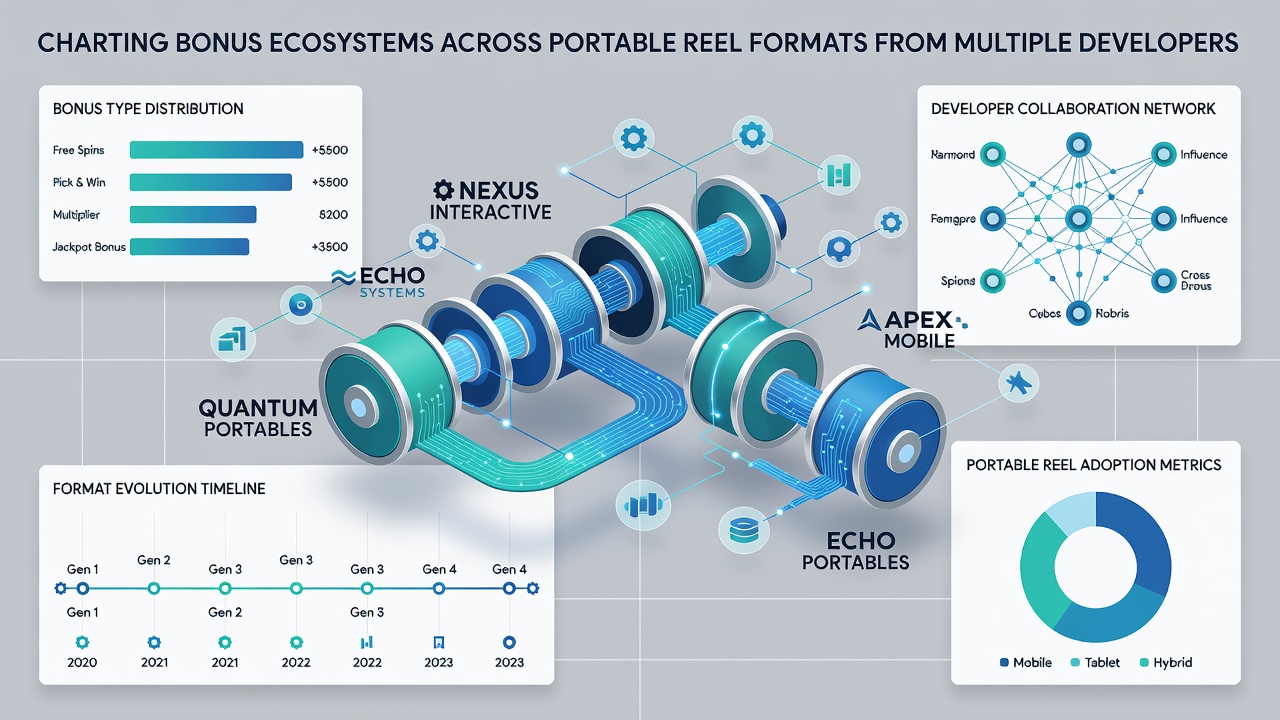
Performance Metrics in August 2026 Releases
August 2026 saw several new mobile titles introduce hybrid bonus structures that combine elements from earlier generations. Reports compiled by the European Gaming and Betting Association highlight that these titles achieved higher retention metrics when bonus rounds incorporated adaptive difficulty scaling based on player history. The scaling adjusts trigger thresholds without altering core return-to-player percentages, and developers achieved this through server-side adjustments rather than client modifications.
Those monitoring release patterns note that portable formats increasingly rely on cloud-based random number generators to handle complex bonus calculations, reducing device load during extended sessions. This shift has allowed studios to introduce bonus ecosystems with multiple simultaneous meters, such as one tracking spin counts and another monitoring symbol combinations, both feeding into a shared reward pool.
Regulatory Influences on Ecosystem Design
Regulators outside the United Kingdom have shaped how bonus features appear in portable formats. Canadian provincial frameworks, for example, require clear disclosure of bonus probabilities at the point of trigger, and developers have responded by adding on-screen tooltips that update in real time. Australian oversight bodies similarly mandate that any purchased bonus must display its expected value alongside standard play options, leading several studios to standardize information panels across their mobile libraries.
These requirements have not eliminated variety, and data shows that developers continue to differentiate their ecosystems through visual presentation and sequence pacing rather than through changes to underlying mathematics. One study published in a gaming technology journal found that players spend comparable time in bonus rounds regardless of regional rule sets, provided the interface remains responsive on mobile networks.
Conclusion
Bonus ecosystems in portable reel formats continue to evolve through incremental adjustments rather than wholesale redesigns. Developers balance technical limitations of mobile devices against player expectations for layered rewards, and the resulting structures reflect both regulatory environments and platform constraints. Continued monitoring of August 2026 trends and subsequent releases will clarify whether current patterns stabilize or give way to further fragmentation across studios.