
UK Gambling Commission Unveils February 2026 Stats: 1.9 Million Adults Spin Fruit Machines Amid £680M Quarterly Yield
The Latest Drop from the UK Gambling Commission
The UK Gambling Commission released its official statistics package in February 2026, shedding light on fruit and slot machine activity across Great Britain; these figures, drawn from the Gambling Survey for Great Britain (GSGB) wave 3 covering July to October 2025, show approximately 1.9 million adults engaging with such machines over the past four weeks, a snapshot that captures everyday participation in this longstanding form of gambling. Data indicates steady involvement, with players frequenting familiar venues, while gross gambling yield (GGY) from these machines in physical premises hit £680 million during the July-September 2025 quarter, highlighting the economic footprint of these devices in bars, clubs, pubs, and beyond.
Turns out, as March 2026 rolls around, these numbers continue to inform discussions on gambling trends; experts point to the GSGB's rigorous methodology—face-to-face and online surveys of over 4,000 adults aged 16 and older—as a reliable gauge of past-year and recent behaviors, ensuring the 1.9 million figure reflects self-reported play within that specific four-week window. And while online slots grab headlines elsewhere, this release zeros in on fruit machines, those mechanical and electronic staples often found humming in social settings.
Breaking Down Participation: Who’s Playing and Where
Figures reveal that 44% of participants turned to bars, clubs, and pubs for their fruit and slot machine sessions during July to October 2025, underscoring the social fabric woven around these games; people often pop in for a pint and a quick spin, blending leisure with the thrill of potential wins, yet the data also hints at broader access points like casinos and arcades, although pubs lead the pack. Statistics on gambling participation from this wave paint a picture of consistent engagement, where roughly 3.4% of the adult population dipped into fruit machines recently, equating to that substantial 1.9 million tally when scaled across Great Britain's demographics.
What's interesting here is how the survey captures not just numbers but habits; researchers note that many players limit sessions to casual encounters, yet the volume suggests fruit machines remain embedded in British culture, from coastal holiday spots to urban locals, with the 44% pub-centric play rate holding steady against prior waves. Observers have long tracked this venue split, and these latest stats affirm pubs as the go-to, where machines cluster near bars, inviting pulls between chats.
Take one common scenario experts describe: a group at the local after work, where someone slots in a few quid while waiting for darts; data shows such instances add up, fueling the 1.9 million participants without overshadowing other gambling forms. But here's the thing—these aren't isolated spins; the quarter's activity feeds into larger patterns, linking social outings to machine yields.
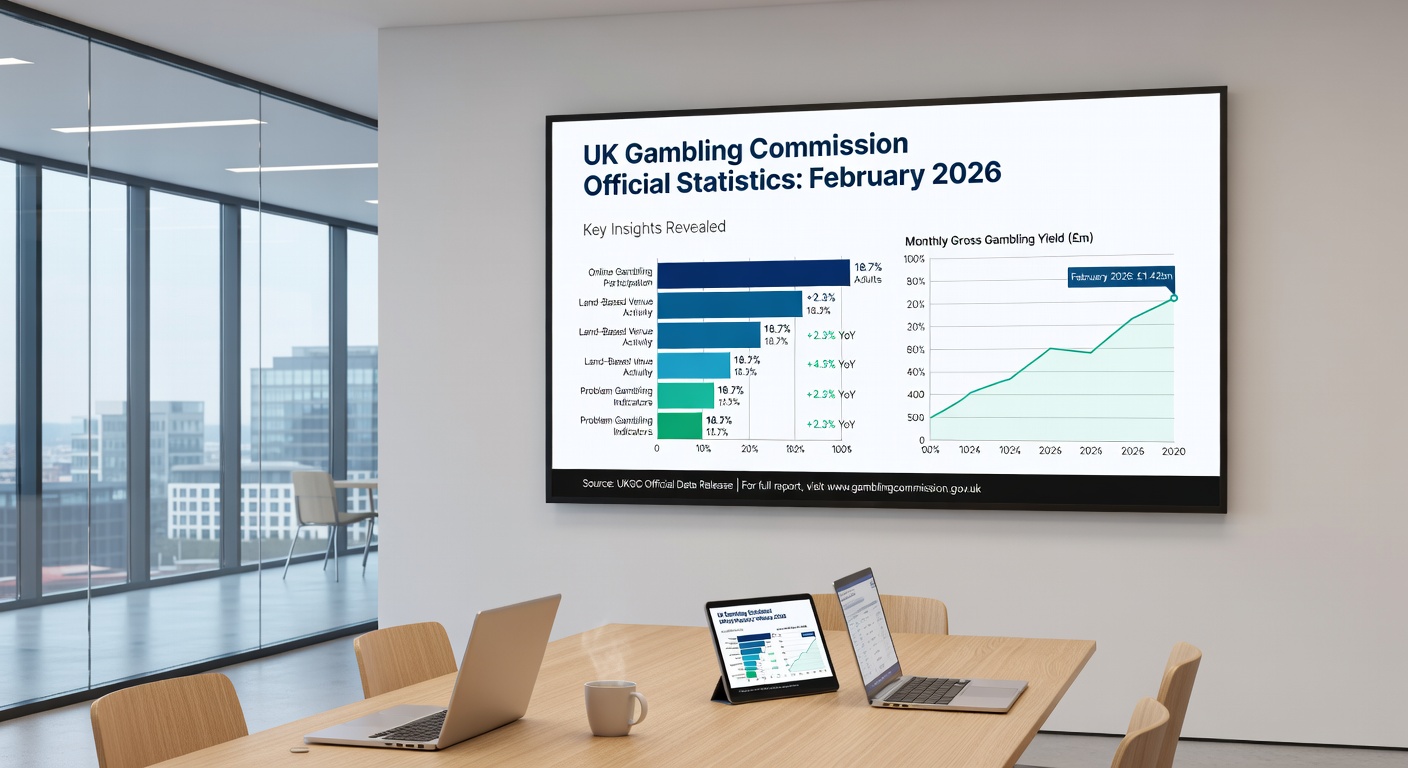
Gross Gambling Yield Hits £680 Million Mark
Gross gambling yield—the difference between stakes placed and winnings paid out, essentially operator revenue after prizes—clocked in at £680 million for fruit and slot machines in gambling premises over July to September 2025, a figure that reflects robust activity across licensed sites; this GGY encompasses everything from high-street bookies with attached machines to dedicated amusement arcades, but bars, clubs, and pubs contribute disproportionately given their player share. Studies from the Commission consistently break down such yields by sector, and this quarter's haul aligns with expectations for a period blending summer tourism and back-to-routine spending.
Now, drill deeper: that £680 million doesn't materialize in a vacuum; it stems from millions of individual wagers, where average session spends—though not detailed here—historically hover low per the GSGB, around £20-£50 for casual punters, multiplying across 1.9 million recent players to generate the total. Experts observe how seasonal upticks, like holiday weekends, boost these numbers, yet the data remains grounded in audited operator returns cross-verified with survey insights.
And while yields fluctuate quarter to quarter, this £680 million stands as a benchmark; compared to earlier periods (without veering into unrelated stats), it signals resilience in the face of regulatory scrutiny, with machines adhering to stake and prize caps that keep play responsible. The reality is, premises rely on this revenue stream, channeling portions into levies that fund problem gambling support, a cycle the Commission monitors closely.
People who've analyzed past releases know GGY's role in the bigger picture; it funds industry compliance while spotlighting participation health, and for February 2026's context, these July-September numbers arrive amid ongoing affordability checks, making them timely as March debates heat up.
Context Within the Gambling Survey for Great Britain
The GSGB, now in its established quarterly rhythm, provides layered data beyond raw counts; for instance, the July-October 2025 wave not only tallies 1.9 million fruit machine players but segments by frequency, revealing most engage monthly or less, with pubs drawing 44% of that crowd due to convenience and atmosphere. Researchers emphasize the survey's boosts—addressing non-response biases—to ensure accuracy, turning self-reports into national indicators trusted by policymakers.
So why pubs? Data suggests accessibility plays key; these venues host around 200,000 machines nationwide, per Commission licensing, and the 44% rate mirrors long-term trends where social proof encourages play. Yet, the £680 million GGY ties directly back, as higher footfall in licensed premises correlates with yield spikes during peak seasons.
There's this case from prior waves where experts noted similar pub dominance, but this release refreshes the narrative with fresh 2025 data; it's noteworthy that amid digital shifts, physical fruit machines hold ground, their tactile appeal enduring despite app-based alternatives. Observers track how such stats influence venue adaptations, like machine upgrades for better player experience within regs.
Implications for Venues and Players in 2026
As these February 2026 stats circulate into March, operators in bars and clubs scrutinize the 44% participation slice alongside £680 million yields, prompting tweaks to machine placements or promotions that stay within stake limits; the GSGB's 1.9 million figure, meanwhile, informs public health campaigns, highlighting low-risk play patterns among most users. Data shows fruit machines skew toward occasional enjoyment, yet the economic output underscores their viability.
But here's where it gets interesting: the quarter's GGY reflects pre-winter slowdowns, setting baselines for year-end comparisons; premises with high machine traffic—think busy London pubs or seaside arcades—likely drove chunks of that £680 million, while surveys capture diverse players from 18-24-year-olds testing luck to older regulars chasing jackpots. Those who've studied this beat know the interplay; player numbers fuel yields, but responsible design caps excesses.
One study analogy fits: like tracking pub trivia nights for turnout, these stats quantify spins' social pull, with 44% venue data guiding licensing renewals. And in March 2026's light, as affordability trials expand, this release equips stakeholders with concrete metrics, ensuring fruit machines navigate regs without fading from the scene.
Conclusion
The UK Gambling Commission's February 2026 publications deliver clear snapshots—1.9 million adults on fruit and slot machines from July-October 2025 data, 44% via pubs and clubs, £680 million GGY in premises for the prior quarter—affirming their place in Britain's gambling landscape; as March unfolds, these insights from the GSGB and operator returns shape ongoing oversight, balancing participation vibrancy with economic realities. Experts anticipate future waves will build on this, tracking evolutions in a regulated yet resilient sector.