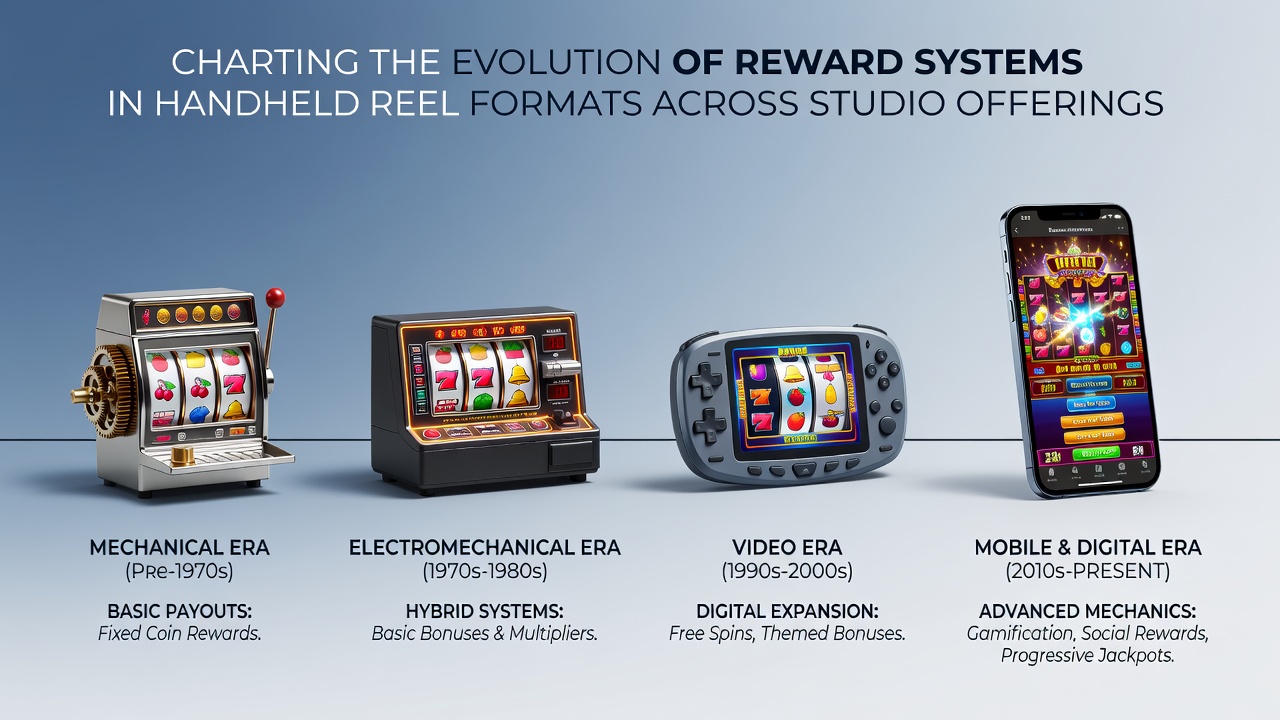
Charting the Evolution of Reward Systems in Handheld Reel Formats Across Studio Offerings
Handheld reel formats have shifted dramatically since their initial rollout in the mid-2000s, when basic payline structures gave way to layered reward mechanics that now span multiple studio portfolios, and developers continue to refine these systems to match changing device capabilities along with player engagement patterns observed through 2026.
Initial Reward Structures in Early Mobile Reels
Studio offerings from the first wave of handheld releases relied on straightforward multiplier bonuses and fixed free-spin triggers, yet these elements quickly expanded once processors allowed for more complex random number generators, and observers note that companies like those behind early Microgaming titles introduced progressive jackpots that carried across sessions on portable devices while maintaining consistent return-to-player percentages.
By the early 2010s, reward layers incorporated wild substitutions with escalating values, and data from regulatory filings show how these additions increased session lengths without altering core mathematics, while handheld formats gained traction through improved touch interfaces that made bonus selection more intuitive.
Cross-Studio Expansion of Bonus Layers
Studios diversified reward pathways as competition intensified, and one notable shift involved the integration of tiered loyalty mechanics that unlock additional free rounds based on cumulative play metrics, whereas earlier models offered uniform bonuses regardless of user history, and figures from industry reports indicate this customization boosted retention rates across platforms.
Playtech and NetEnt portfolios, for instance, began embedding cascading reel mechanics paired with multiplier ladders that reset per spin sequence, and researchers tracking these changes found that such features adapted well to smaller screens by using simplified animations that preserved clarity during extended mobile sessions, and this approach spread to additional developers by mid-decade.
What's interesting is how reward accumulation systems evolved to include daily login incentives and milestone achievements, and these elements combined with base game payouts to create hybrid structures that studios tested across regions, while handheld adoption data from sources like the American Gaming Association highlighted steady growth in mobile-specific engagement metrics through 2025.
Innovations in 2026 Handheld Reward Designs
August 2026 saw several studios release updates that refined reward triggers around volatility profiles, and these adjustments allowed players to select bonus intensity levels before spins began, which in turn influenced payout distribution patterns without modifying overall return rates, and evidence from technical reviews confirms these options appeared in offerings from both established and emerging providers.
Feature buy mechanics gained further refinement with price tiers that scaled potential rewards proportionally, and developers integrated these directly into mobile interfaces using swipe gestures that aligned with handheld navigation norms, whereas previous versions required menu navigation that interrupted flow, and this streamlining reflects broader trends in user interface optimization across the sector.
One study revealed that reward systems incorporating social sharing elements, such as collaborative jackpot contributions, extended playtime in handheld formats, and academic analyses from institutions like the University of Nevada, Las Vegas gaming research programs documented these patterns through anonymized session logs collected over multiple quarters.
Comparative Patterns Across Provider Lineups
Differences emerge when examining how individual studios balance reward frequency against magnitude, and some emphasize frequent small multipliers in their mobile catalogs while others prioritize rarer high-value events that carry over between devices, yet all maintain compliance with jurisdictional standards that govern disclosure of mathematical expectations, and this consistency supports cross-platform portability for users.
Handheld reel formats continue to incorporate adaptive reward scaling based on device orientation and battery status in select releases, and such technical integrations mark a departure from static bonus tables of earlier eras, while data indicates these refinements coincide with broader hardware advancements in tablets and smartphones available by late 2026.
Conclusion
The trajectory of reward systems in handheld reel formats demonstrates ongoing adaptation across studio offerings, with successive layers of bonuses, multipliers, and customization options building upon foundational mechanics established years earlier, and continued monitoring of these developments provides insight into how portable gaming environments shape feature design without reliance on any single regulatory framework or regional statistic set.