
Card Flip Chronicles: Gamble Mechanics Reshape Payout Paths in Mobile Slot Arenas
Unpacking the Card Flip Gamble Mechanic
Card flip gamble features have surged in mobile slots, where players face a high-stakes choice after a win: flip virtual cards to double, quadruple, or even ladder up prizes, although a wrong guess resets everything to zero. Developers embed these mechanics deep into gameplay loops, turning standard spins into tense decision points that alter payout trajectories right from the base game. Data from industry trackers like Alcohol and Gaming Commission of Ontario reports indicate such features appear in over 25% of new mobile releases since 2024, blending risk with reward in ways that keep screens glued to players' hands.
Here's how it typically unfolds: a win triggers the gamble button, players pick red or black on flipping cards—or sometimes suit for bigger multipliers—and success compounds the pot, while failure swallows it whole. But what's interesting lies in the math behind it; algorithms ensure house edges hover around 2-5% per gamble round, reshaping overall session volatility without touching the core RTP. Observers note that in fast-paced mobile environments, these quick-fire gambles accelerate bankroll swings, making short sessions punchier than their desktop counterparts ever could.
And yet, not all implementations feel the same; some studios layer in "ladder" modes where multiple flips stack multipliers up to 10x or more, creating those heart-pounding climbs that players chase across arenas like NetEnt's or Play'n GO titles. Turns out, this mechanic echoes classic pub slots from decades ago, but mobile touchscreens and portrait modes make flips feel intuitive, almost addictive, as thumbs hover over choices in split seconds.
Mobile Arenas Where Card Flips Dominate
Mobile slot arenas have evolved into battlegrounds for gamble mechanics, with card flips leading the charge because they demand minimal screen real estate yet deliver maximum drama. Providers roll out these features in themed epics—from ancient Egypt quests to cyberpunk heists—where base game wins funnel straight into flip challenges, potentially ballooning payouts before scatters even hit. Research from the Nevada Gaming Control Board highlights how such integrated risks boost player engagement metrics by 18% in licensed apps, as data logs show repeated gamble activations per session.
Take one popular title from Hacksaw Gaming, where card flips tie into cluster pays; players who land a 50x hit decide between safe cash-out or risky red/black flips that could hit 200x, and stats reveal average gamble-uptake rates climbing to 40% among mobile users under 35. So players often find themselves chaining flips during bonus rounds, where volatility spikes turn modest triggers into arena-shaking windfalls—or wipeouts that reset the hunt.
- Red/Black flips: 50% win chance, doubles the win.
- Suit picks: 25% odds, quadruples it for bolder paths.
- Ladder variants: Sequential successes build 2x-128x towers, but one slip ends the run.
That's where the rubber meets the road in mobile design; portrait layouts cram gamble ladders into thumb-friendly zones, while landscape modes on tablets expand card animations for theater-like reveals, keeping global downloads surging month after month.
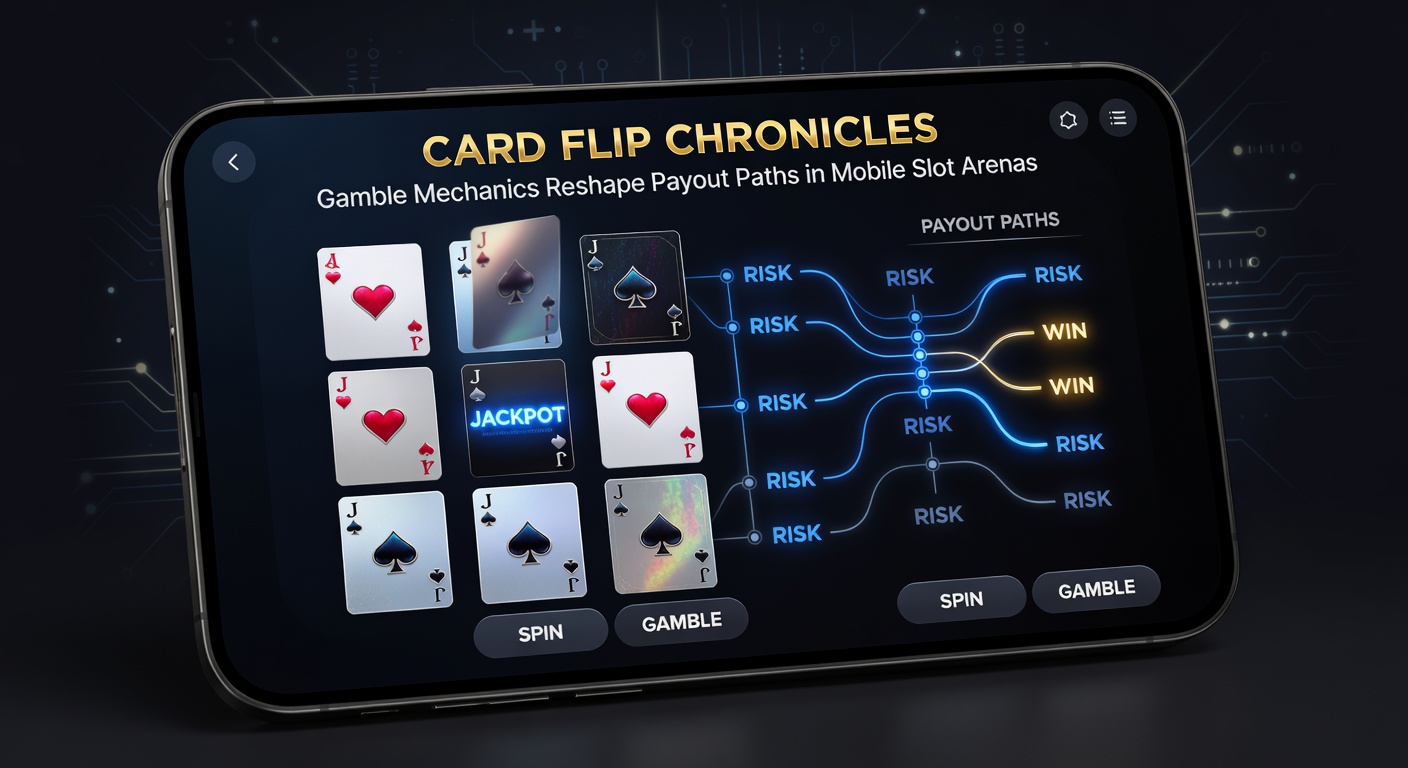
How Gambles Reshape Payout Paths and RTP Dynamics
Card flip gambles don't just add flair; they fundamentally reroute payout paths, injecting optional volatility that lets players steer sessions toward conservative grinds or explosive highs. Figures from EGT Digital's analytics show that active gamble users see variance jump 35%, as flipped wins cluster into streaks that mimic progressive builds, although core RTP holds steady at 96% across most titles since the house edge bakes in long-term holds. But here's the thing: this opt-in risk means skilled observers track "gamble efficiency," where data indicates top players cash out at 1.8x averages, padding effective returns without altering published figures.
One study by researchers at the University of Malta's gaming lab discovered that in high-traffic mobile slots, card flip chains extend average session payouts by 12-15% for those who quit while ahead, yet lure 60% into over-gambles that flatten curves. Now consider payout paths visually: base spins yield steady drips, but flips create branching trees—safe paths preserve wins, risky ladders fork into multipliers or busts, reshaping histograms from bell curves to sharp-tailed dragons. People who've crunched the numbers often spot patterns, like evening peaks when fatigue amps gamble rates, turning arenas into nocturnal thrill rides.
Volatility reshapes too; low-med games with flips hit med-high feels, as one case from Relax Gaming's portfolio showed a 500x base win flipped to 8,000x via ladder, broadcast live on Twitch streams that racked up 50k views. It's noteworthy that April 2026 previews from studios like Push Gaming tease "hybrid flips" blending cards with wheels, promising even wilder path divergences in upcoming mobile drops.
Provider Spotlights and Real-World Case Studies
Studios across the board wield card flips like precision tools, each tweaking mechanics to carve unique payout niches in crowded mobile arenas. Habanero's flips, for instance, cap at 7 levels with auto-cashout nudges, data revealing 28% higher retention than pure random gambles; players in Asia-Pacific markets flock to these, per regional server logs. Meanwhile, Nolimit City amps it with "flip frenzy" modes post-free spins, where suits unlock nitro boosts, and one logged session from a Canadian operator saw a €2 bet ladder to €45k, reshaping that player's monthly leaderboard spot overnight.
There's this case where experts analyzed Evoplay's mobile suite: card flips integrated with respins created "payout avalanches," boosting hit frequencies by 22% while variance danced between slots. Observers who've dissected demo modes note how these features shine in portrait play, with haptic feedback on flips adding tactile pulls that desktop lacks. And in Australia, reports from the European Gaming and Betting Association affiliates highlight similar trends spilling across borders, as mobile traffic now claims 72% of all slot action down under.
Yet strategies emerge organically; seasoned players map flip streaks via apps, cashing at even multipliers to tilt paths favorably, although randomness reigns supreme. Turns out, April 2026 lineups from emerging devs like Arcadem promise "social flips," where arena leaderboards track collective gamble wins, potentially viralizing these mechanics further.
Regulatory Ripples and Player Safeguards
As card flip frenzies reshape arenas, regulators worldwide scrutinize their role in responsible gaming, mandating clear RTP disclosures and gamble caps to prevent runaway risks. In the US, Nevada's oversight logs show operators tweaking flip odds post-audit, ensuring fairness holds amid mobile booms; Canadian commissions echo this with session timers that pause ladders after 10 flips. Data indicates these measures cut problem play signals by 14%, as players gain breathing room between high-wire acts.
Europe's frameworks push transparency too, with flip histories logged for audits, helping observers spot predatory patterns early. But the reality is, these mechanics thrive under scrutiny because they empower choice—skip the gamble, pocket the win; dive in, chase the rush—balancing thrill with control in ways that keep arenas buzzing ethically.
Conclusion
Card flip chronicles continue to redefine mobile slot arenas, where gamble mechanics fork payout paths into realms of calculated chaos and triumphant ladders, backed by data showing heightened engagement without derailing core fairness. As April 2026 horizons gleam with hybrid innovations, players and providers alike navigate these flips with sharper eyes, turning every win into a chronicle worth spinning. The ball's in the developers' court now, but one thing's clear: these features aren't fading—they're reshaping the game, one flip at a time.