
Analyzing RTP Variations and Bonus Structures Across Mobile Slot Providers
Data from multiple gaming jurisdictions shows that return-to-player percentages in mobile slots typically range between 94 and 98 percent, with providers adjusting these figures based on game volatility and market regulations. Observers note that mobile platforms now account for over 70 percent of total slot activity in several regions, prompting studios to optimize both RTP configurations and bonus delivery systems for smaller screens and touch interfaces. Those who track release patterns observe that bonus features such as free spin multipliers, cascading reels, and progressive jackpots appear in roughly 65 percent of new titles launched between January and July 2026.Provider Approaches to RTP Calibration
Developers set base RTP levels during game design, then apply regional modifiers that comply with local rules while maintaining consistent player experiences across devices. Research indicates that providers like those operating in European and North American markets calibrate RTP through internal testing cycles that last several months before certification. Figures reveal that a single title can carry multiple RTP versions, with the highest settings reserved for markets that permit greater flexibility in game mathematics.
One study from an independent testing laboratory found that mobile-specific versions often run at slightly lower RTP than desktop counterparts because of increased bonus frequency designed to sustain engagement during shorter play sessions. Yet providers maintain transparency by publishing RTP ranges in game information panels, allowing players to review exact percentages before committing funds.
Bonus Mechanics and Their Interaction With RTP
Bonus rounds contribute significantly to overall RTP distribution, with many titles allocating 30 to 50 percent of total return through triggered features rather than base game wins. Data shows that free spin rounds with retrigger potential and multiplier stacks generate the largest payout clusters in high-volume mobile releases. Providers frequently layer additional mechanics such as expanding wilds and symbol transformations onto these rounds to increase perceived value without altering the underlying mathematical model.
Those who've examined payout logs across thousands of spins note that bonus hit rates vary widely between 1 in 80 and 1 in 200 spins depending on the title's volatility classification. This variation allows providers to target different player segments while keeping the long-term RTP within advertised boundaries.
Mobile Platform Adaptations and Performance Data
Mobile-optimized slots incorporate touch-friendly controls and faster load times that influence how frequently bonus sequences activate during typical sessions. Industry reports highlight that games built with HTML5 frameworks achieve 40 percent higher completion rates for bonus rounds compared with legacy Flash titles still found in some markets. What's interesting is that providers have begun integrating adaptive difficulty systems that adjust bonus trigger thresholds based on device performance and connection stability.
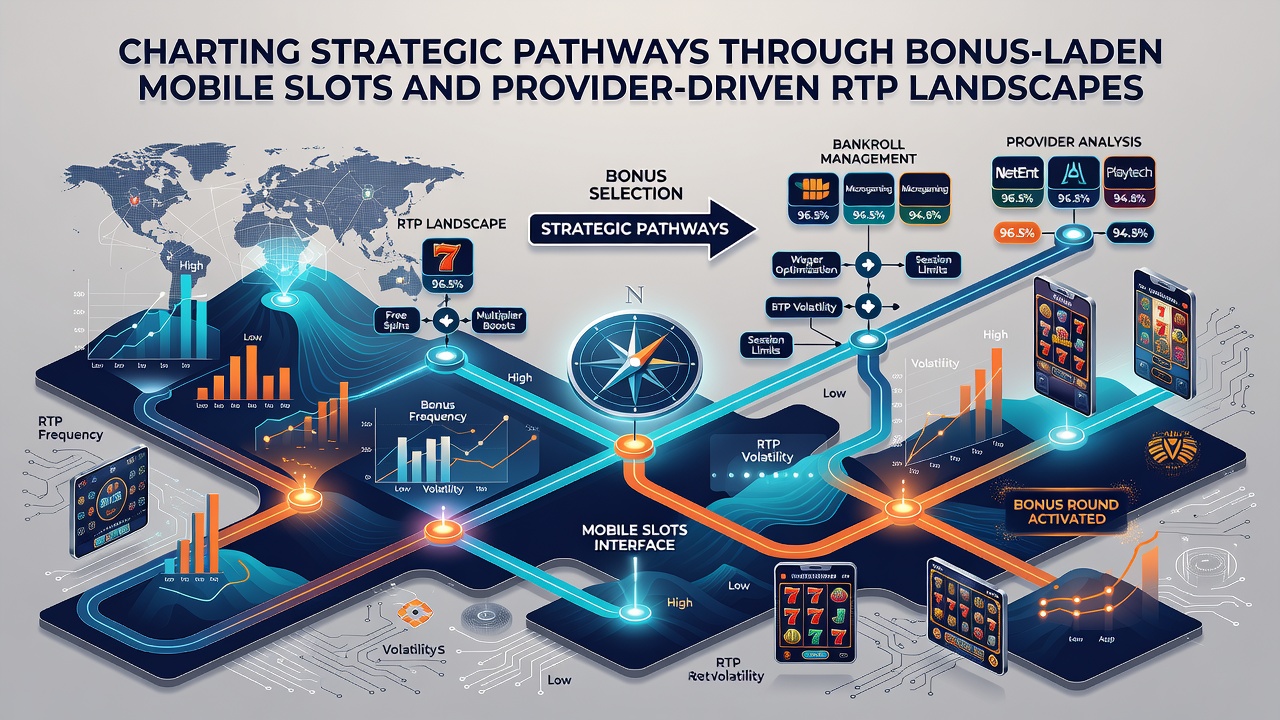
According to figures released by the European Gaming and Betting Association, mobile slot revenue in the first half of 2026 grew 18 percent year-over-year, with bonus-driven engagement metrics rising in parallel. European Gaming and Betting Association reports further indicate that titles featuring stacked bonus layers maintain higher retention rates across both regulated and emerging markets.
Strategic Pathways for Navigating These Landscapes
Players and analysts alike examine RTP tables and bonus frequency disclosures to identify titles that align with specific session lengths and risk tolerances. Evidence suggests that cross-referencing multiple provider portfolios reveals consistent patterns where higher volatility games compensate with elevated bonus payout potential, while lower volatility options deliver steadier base returns augmented by smaller frequent bonuses.
One case where experts compared release schedules across three major studios showed that July 2026 launches emphasized hybrid bonus structures combining immediate small rewards with longer-term accumulation features. Such designs allow providers to balance short-term excitement with sustained RTP delivery over extended play periods.
Conclusion
Provider-driven RTP landscapes continue to evolve alongside mobile technology and regulatory frameworks, creating measurable pathways that connect bonus design choices directly to player outcomes. Data from certification bodies and industry associations demonstrates that transparent RTP communication paired with varied bonus mechanics supports both compliance and engagement across diverse markets. Those monitoring these developments see ongoing refinement rather than abrupt shifts as the dominant trend through the remainder of 2026.